Table Of Content

Prenatal vitamins are not known to cause the same results as hair growth vitamins unless you are vitamin-deficient in the nutrients supplied by prenatal vitamin supplements. For preserving your body and general health throughout pregnancy, you’ll need an adequate balance of Omega fatty acids, B-vitamins, iron, folate, and other important minerals. Prenatal multivitamin tablets are supplemented with these vital nutrients to assure that you get enough vitamins and minerals during pregnancy. During pregnancy, perhaps the most talked-about ingredient is folic acid.
Can I take a prenatal vitamin if I’m not pregnant?
It is not recommended to take prenatal vitamins for long periods of time (unless you are pregnant) as they are designed to serve the deficiencies in pregnant or lactating women. Women who are not pregnant may experience adverse effects such as liver damage, masked deficiencies, digestive issues, etc. from consuming high levels of certain nutrients (2). Prenatal vitamins also have high amounts of folic acid, which can prove to be quite dangerous in their own right. Healthline explains that excess folic acid can amass — after all, our bodies can only absorb and use so much — potentially causing serious health issues.
Best Prenatal Vitamin For Folic Acid: Thorne Basic Prenatal
You get 90 chewable gummies with each package, which is enough for one and a half months. The good news is that you may continue to feed your baby while taking these vitamins. However, because it does not include iron, you may need to take iron supplements in addition to this vitamin. Micronutrients are critical for the development and function of the hair follicle, as well as the immune system. Vitamins and minerals with diverse applications in the body, such as hair, skin, and nails maintenance, are beneficial. There is no evidence to suggest that prenatal vitamins cause weight gain as vitamins consist of zero calories.
substantial weight loss over a short period of time
The ACOG recommends taking a prenatal vitamin that contains at least 400 micrograms of folic acid at least one month before becoming pregnant. When comparing ingredient lists, talk to your doctor or midwife about which prenatal vitamin is a good fit for you. Many prenatal vitamins contain around 800 micrograms of folic acid, and OB-GYNs typically recommend taking a prenatal vitamin with at least 400 micrograms. Keep in mind, though, that taking more prenatal vitamins cannot make up for nutrient deficiencies, as too much of certain nutrients can actually be harmful (for example, excessive amounts of vitamin A can cause birth defects). The best organic prenatal for preconception, pregnancy and lactating women is synergy organic prenatal. This has organic vitamins and minerals from berries, red raspberry, sprouts, leaf, and ginger to aid with pregnancy.
I Tried Nutrafol's Hair Supplement—My Honest Review - Who What Wear
I Tried Nutrafol's Hair Supplement—My Honest Review.
Posted: Fri, 01 Dec 2023 08:00:00 GMT [source]
For example, those who aim to get pregnant need about 400 to 800 micrograms of folic acid, whereas other adults only need 400 micrograms. Pregnant individuals are recommended an intake of 27 milligrams of iron per day, whereas women between the ages of 19 and 50 who are not pregnant only need 18 milligrams. Prenatal vitamins are meant to meet the specific amount that those who are pregnant need, after all. Talk to a healthcare provider if you have concerns about prenatal vitamins' ingredients. Actif Organic has an all-in-one prenatal for supporting women throughout pregnancy. These organic vitamins help prevent and treat thinning of hair as well as unusual hair growth on the legs or underarms.
Nutrafol Review (2024): Does It Work For Hair Loss? – Forbes Health - Forbes
Nutrafol Review ( : Does It Work For Hair Loss? – Forbes Health.
Posted: Tue, 23 Jan 2024 08:00:00 GMT [source]
How we reviewed this article:
Some common prenatal vitamin side effects are also common side effects of pregnancy. This means that sometimes you might not know if your prenatal vitamins are causing the hiccups (including the literal ones when you feel like you might vomit). Ritual’s subscription-based postnatal vitamin contains a variety of vitamins and minerals. It contains docosahexaenoic acid (DHA), an omega-3 fatty acid that may be effective in promoting hair regrowth, improving hair density, and reducing hair loss. While not specifically formulated for hair growth, a multivitamin may help fill nutrient gaps in your diet, which could cause hair loss.
Should you take a prenatal vitamin before pregnancy?
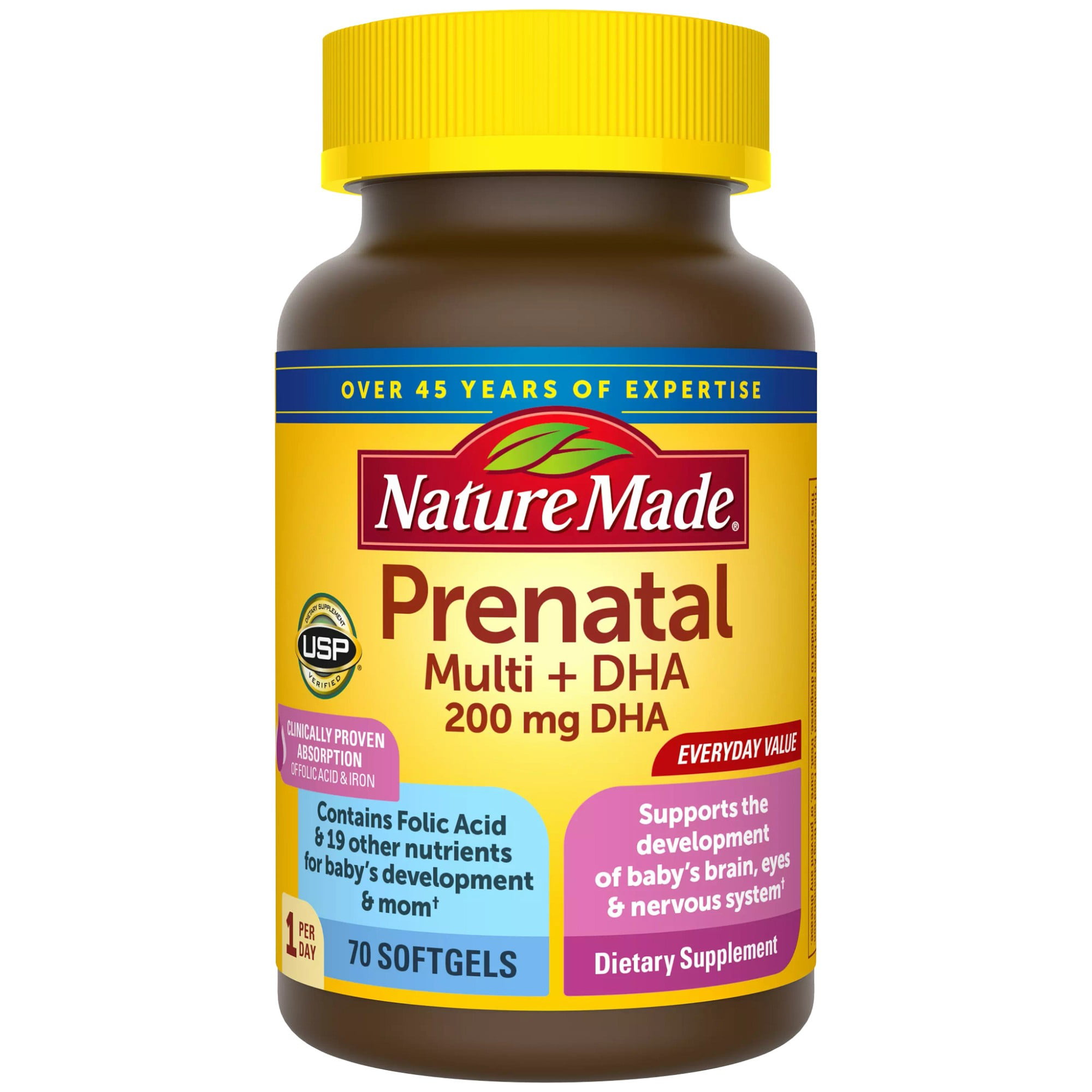
It also aids in reducing mood swings due to hormonal imbalances throughout pregnancy. Taking too much of certain minerals can cause mild side effects, like an upset stomach or headache, or more severe side effects, like liver issues. Side effects are more likely to happen if you take a prenatal vitamin (or any vitamin, for that matter) at a higher-than-recommended dose or in addition to other different supplements.
Select your shipping destination to see available products
The hormonal message is so intense that some women experience changes in the texture (and even the color) of their hair during pregnancy, when curls may straighten, or new hair that grows in may be curlier than expected. The scalp and hair may also feel oiler than pre-baby since the sebaceous glands are in overdrive. These temporary changes are the result of the pumped-up metabolism that accompanies pregnancy when normal hair loss is actually suppressed. You want to unlock the secrets to faster and healthier hair growth with the help of prenatal supplements. Dive into the video below to discover the optimal techniques for achieving the best results.
Prenatal vitamins for hair growth are believed to be highly beneficial. During pregnancy, hair appears to grow considerably faster and longer. As a result, pregnant women have thick, lustrous, and gorgeous hair. The hair, however, returns to its normal form and begins to shed immediately after the pregnancy is over.
Vitamins and supplements can be a good option for improving hair growth and thickness if they are formulated with evidence-based ingredients like vitamins B, C, and D, iron, zinc, biotin, and omega-3 fatty acids. Some supplements are formulated with these nutrients to support hair growth, strength, and thickness. But sometimes, a multivitamin or a nutrient-specific supplement will do. Here are seven high quality supplements that supply the nutrients your hair needs. "A pregnant woman needs more overall calories, vitamins and minerals compared to a woman who isn’t pregnant to help support the growing baby, and to ensure they are growing in a healthy manner and developing well." And because prenatal vitamins are part of a pregnancy wellness routine, you may wonder if taking them is the secret to reaping beauty benefits like hair growth.
Another benefit of Plantorigin Prenatal Vitamins is that it does not include alcohol. Its formulation is produced in FDA-registered and GMP-certified facilities in the United States. It’s also all-natural and devoid of soy, yeast, salt, gluten, milk, or wheat.
This indicates that since pregnancy hormones impact nail thickness, they may similarly impact hair thickness. For many, this means less hair loss and breakage, resulting in healthy, shiny hair. Health conditions like Type 1 or 2 Diabetes, maternal GI malabsorption or a family history or previous history of neural tube defect would mean you might need a higher dose supplement. But these do take longer to work, as supplements “must first be metabolized by the body and dispersed by the bloodstream to be beneficial,” says Dr. Shaver. And oral supplements may have more systemic side effects and interactions with other medications, so it’s especially important to check with your doctor before taking a supplement. There is no reason to take prenatal dietary supplements if you are not pregnant and are not trying to get pregnant.
It might be a good idea to chat with a healthcare pro to determine whether these are an absolute necessity for you. Basically every prenatal should have methylated folate or folic acid — that’s nonnegotiable. Experts also recommend that every pregnant person takes vitamin D. You can add on omega-3, vegan DHA, extra calcium, a daily probiotic (yay for gut health), cranberry (for urinary tract health), and/or ginger extract (to fight off nausea).
Bioavailability describes the amount of nutrients that are able to be absorbed and used by the body. This supplement also has a non-constipating form of iron, ferrous bisglycinate. It also has 250 mg of DHA to help support brain, eye and nervous system of the baby. According to Ehsani, you don’t need to take a separate fish oil supplement since this is all in one.
Look for brands with seals from these organizations, as they indicate the product has passed such quality tests. Be sure to speak with your OB-GYN about which prenatal vitamin might be a good fit for you. And if they are not feeling their best, they may not be able to function as they should at school or in other activities. Among some of the most common ailments that kids have today include learning disabilities, insomnia, and...


No comments:
Post a Comment