Table Of Content

It’s a different story if they’re eating your hair, though, as the different length and structure of human hair can cause large hairballs to form in a cat’s gut. These hairballs may be passed with feces or vomited, but can cause intestinal blockage, leading to the need for emergency surgery to remove them. Every time you give your cat attention while they groom you, it reinforces the behavior.
Some Facts About Why Cats Lick Their Owner’s Hair:
This is your cat’s way of trying to distract you and lure you to go and play with them. While you can’t ask your cat about it, there are some habits that fall in line with affectionate grooming in the wild. There are many different reasons why a cat will want to lick their owner. Secondly, brushing removes loose hair, which reduces shedding and prevents hairballs from forming in your cat’s digestive system. You might also want to make your hair less appealing to your cats. One way to do this is by using citrusy hair products since cats can’t stand citrus.
Miliary Dermatitis in Cats: Causes, Symptoms, & Treatment - Daily Paws
Miliary Dermatitis in Cats: Causes, Symptoms, & Treatment.
Posted: Tue, 28 Jun 2022 07:00:00 GMT [source]
Keeping You Healthy
However, there may be a few sensory reasons that cats choose to groom their owners’ hair. It turns out that cats use grooming not only as a way to keep themselves clean but also as a form of social bonding. When a cat licks you, it’s not only showing affection but also marking you with its scent. Cats have scent glands in their mouths, and by licking you, they are claiming you as part of their territory. Aside from the practical aspect, grooming also serves as a social bonding activity among cats.
Dr. Marty Becker's Top 30 Pet Products of 2011
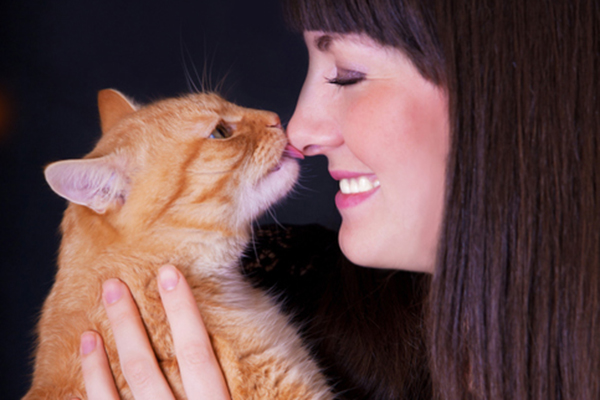
A cat licking your hair and rubbing against you while you're lying down together is definitely an affectionate moment. However, if your cat starts biting at your hair and doing so energetically, this can be a solicitation to get your attention. Your cat may want you to play with him, or perhaps he wants you to bring him dinner. Another reason cats will lick their human's hair is to remove traces of unacceptable scents from your hair. You'll often see cats combine this behavior with rubbing their head, chin, and cheeks against you.
While this show of dominance is technically aggressive, it’s not usually something to worry about unless your cat is showing aggression toward others. They are formed in such a way that they create bristles similar to a hairbrush. This is because they are made out of a hard substance known as keratin. It feels a little like sandpaper on our skin, but some people find it quite pleasant. Cats will lick our skin, but they will often lick our hair because they can also brush it for us, as they would do their own. If you have a cat in the family you will know that one of their most frequent activities is to lick themselves.
Most cases of alopecia can be cured if appropriate steps are taken to diagnose and treat the underlying cause. My black cat, Bowser, and I have been close companions for 6 wonderful years. I'm an advocate for cats and hope you find all the info you need here.
Cats like consistency and predictability, and change can be stressful, Dr. Perry says. A recent move, the addition or loss of another pet in the home, or even a change of schedule can cause anxiety in cats. Licking that causes excessive numbers of hairballs or hair loss is abnormal, Dr. Miller notes.
It’s a Stress Response
Animal experts believe that allogrooming creates social bonding among cats with familial relationships. The veterinarians at Union Lake Veterinary Hospital share that allogrooming actually helps to establish hierarchy within cat colonies. A 2016 study on sociality in cats found that allogrooming was one of the primary methods used to formulate bonding within a cat colony. It means they want to protect you, keep you clean and healthy, because they love you. They will not lick a cat they are uncomfortable with as they are territorial animals and will more likely perceive them as a threat.
Also, make sure your cat has other things that are acceptable for her to lick or chew on, like stuffed animals and food-dispensing toys. But some of them are more prone to licking, and if a cat has licked you, you know they have a rough, barbed tongue. Eating hair could also be a rare form of pica in cats, which is the ingestion of non-food items (e.g., wool, fabric, wood, paper, and cat litter).
This saliva contains enzymes that help break down dirt and oils, keeping the cat’s coat clean and shiny. To truly comprehend why cats engage in hair licking, we must first explore the unique structure of their tongues. Unlike our tongues, which are relatively smooth, a cat’s tongue is covered in tiny, backward-facing barbs called papillae.
When your cat licks your hair, it's usually because they're trying to reinforce the special bond between the two of you. Whether the cause is physiological or psychological, solving an over grooming problem will require time and patience on the owner's part. For Nellie, who had recently endured the loss of a companion animal in her home, the solution required consistent attention, affection and routine. It took a few months, but her hair is growing back and her life has returned to normal.
They often groom each other to strengthen their social ties and establish a sense of trust within their feline community. This mutual grooming behavior, known as allogrooming, is a way for cats to show affection and care for one another. It involves one cat licking and nibbling on another cat’s fur, focusing on hard-to-reach areas such as the head, neck, and back. Cats that are well-socialized and have positive experiences with humans early in life are more likely to engage in hair licking as a sign of trust and bonding.
It makes a lot of sense if you’ve experienced this behaviour from a cat who loves you firsthand. They’ll begin to lick and groom themselves as well, to my knowledge around roughly the same time. To get around this problem, I bought citrus and lavender smelling soaps, as my cats, like most cats, absolutely hate the smell of orange and other citrus, as well as lavender. We can still theorize, however, which I like to do with a lot of quirky cat behaviours. Doesn’t like cuddling unless it’s on her terms, and even then, in the shortest bouts you could ever imagine, accompanied by a lot of flighty, timid yet adorable behaviour. Hair eating can also be a rare form of feline pica, which is the ingestion of nonfood items (eg, wool, fabric, wood, paper, and litter).

Simply get a shampoo or shampoo & conditioner combo that smells of citrus, like grapefruit for example, or lavender if you like that scent more. This won’t solve the problem, and it will cause them stress and anxiety, which can lead to behavioral problems and even aggressive behavior. Most of us have seen some cats display extreme reactions catnip.
©2024 This website is owned and operated by Cliverse Media DAO LTD. You may feel compelled to reciprocate your cat's sign of affection by licking them back, but this is not recommended. Cats’ coats can harbor bugs and infections such as ringworm, toxoplasmosis, worms, and bacteria which can cause us harm.