Table Of Content
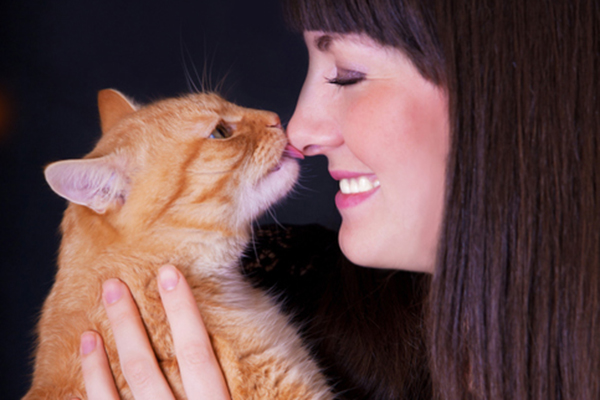
If your cat is licking your hair it could mean they’re trying to remove any foreign scents from you and thus they’re letting any other cats you come into contact with know that you’re theirs. We’ll explore some of the reasons why cats lick our hair and how to stop them from doing it if it’s not something you’re comfortable with. Some cats will even sit above their owner’s head and pick through their hair and lick them clean.
Other Symptoms to Check For With Hair Loss in Cats
If your cat has a habit of grooming your hair, this means that she loves and adores you. While that answer may make perfect sense, you might still be wondering why she doesn’t just groom you using her paws. While that may sound like a simplistic answer, it’s the reason 99% of the time.
Why Does My Cat Lick My Hair? [What Does This Behavior Mean?]
There's an understandable reason for this sometimes cute and sometimes annoying behavior. As you can see, as long as the cat is licking your hair without showing signs of stress, it is likely a pleasant and positive sign for your relationship. It means you have a strong bond and letting the cat lick your hair and groom is a good way to strengthen it. However, there may be some valid reasons why you do not want the cat to lick your hair. ” If your cat is licking your hair, it is likely that they are trying to express their affection toward you. A cat may also lick your hair in an attempt to taste something they can smell, to get your attention, or even in an attempt to groom you.
It’s a Stress Response
Besides stress, licking can also be a sign of an underlying health condition. Cats groom themselves or lick other objects excessively when they’re in pain or feeling uncomfortable. When a cat starts licking your hair, it probably wants you to notice them. Like a pet dog, your kitty cat also craves attention every now and then. Cats are good whatever your response is, whether positive (like petting) or negative (like being shooed away).
Why Do Dogs Lick Themselves Excessively? - Treehugger
Why Do Dogs Lick Themselves Excessively?.
Posted: Fri, 02 Aug 2019 07:00:00 GMT [source]
This is because of a cat tongue Covered with hundreds of papillae – small, backward-facing barbs (thorns) made of keratin. While the licking of your hair can be strange and even alarming, one positive takeaway from all of this is that it shows that they trust you. For cats that still continue to do this, you may need to take some extra measures. Using a repulsive, such as “a bitter apple,” may encourage them to back off a bit. Walking away from something they are uninterested in (or is uncomfortable to them) is a clear and natural message. Of course, some cats have a little difficulty getting the picture.
Dr. Marty Becker's Top 30 Pet Products of 2011
However, the head and neck area in cats also contains multiple scent glands that secrete pheromones. Licking and rubbing these areas allows cats to spread scents, which help to mark and reaffirm members of their “pack,” and identify friendly individuals. Psychogenic alopecia is a diagnosis of exclusion, meaning that it can only be definitively diagnosed after other causes have been ruled out. It is more likely if there have been changes to the cat’s environment, like new pets, visiting family members, moving, or other stressors. It is important to note that just because you don’t see signs of itchiness, that doesn’t mean your cat is not itchy. Often, cats hide those behaviors, only to gnaw and scratch when they are hidden from view.
Tiger Lifespan: How Long Do Tigers Live?

The products you use in your hair may make your cat feel like licking to taste them because they're appealing. Alternatively, your kitty may hate the scent of your hair products and think you need a bath. While cats are generally efficient groomers, there are certain areas that they may need assistance with. Cats may struggle to reach these areas on their own, especially if they have limited mobility or are overweight. As a cat owner, it is important to help your cat by gently brushing or wiping these hard-to-reach spots to ensure their cleanliness and prevent any discomfort or skin issues.
Hair Tastes Good
One of the things that all mother cats do is start to groom their kittens within minutes after being born. Grooming kittens stimulates their bodies and cleans them from any bodily fluids. As they mature, the mother cat, as well as the kittens, all groom each other and form a close bond. Even though your cat might not be a mom, grooming their tribe is simply something that comes naturally.
Hair grooming their favorite human is just another idiosyncrasy that makes cats the unique and amazing animals they are. If you suspect your cat is drawn to a product you’re using in your hair, you could consider switching products. This educational content is not veterinary advice and does not replace consultation with a qualified veterinarian. Use of this site is subject to our terms of use and privacy policy.
Although a cat might lick us before we go to sleep, you may want to know more about why cats lick us when we are sleeping. Are there there are other cats you know or in your household who lick plenty of things, but not hair? It seems more likely to me that there are a slew of different reasons why some cats do these quirky things that come together to form a full explanation. Social grooming, known as allogrooming, is an important part of bonding.
Which means if your kitty grooms you, she may be trying to put you in your place. This article discusses several potential reasons for this behavior, such as love, stress, pica, and medical problems, as well as ways to stop it. You may have decided that having your hair licked by your cat is a boundary that you don’t want crossed. There are plenty of other ways to bond with your cat that will allow you to draw a line without making your cat feel rejected. While you would think that gagging would be enough to deter a cat from licking your hair, most will continue to lick away.
"We call these cats 'fur mowers,' and their problem is common in cats," Miller says. "The area being 'mowed' gives us a clue as to the cause [which can include anything from parasites in kittens to neurological diseases in older cats], but there is great overlap," he says. For example, compulsive licking at the tail head may indicate a flea infestation, while cats with pollen or food allergies may lick their backs, abdomens or other areas of the body. Cats are diligent in grooming themselves, but some cats also actively groom their owner's hair. A "beautician cat" might perch on the back of a chair or above your head in bed and comb through your hair with its teeth and paws. Sometimes the cat will even hold your head steady or object if you move out of reach.
This social aspect of grooming is an essential component of a cat’s overall well-being. Another reason cats will bite at your hair is that they may think of it as a fun toy. Cats do enjoy playing with long stringy objects like yarn, ribbons and streamers, so sometimes cats will bite at and bat your hair with their paws or bite it because it's simply a lot of fun.
All in all, it’s just another way of telling you that they care about you and want to have your around for a long time. While cats often lick other cats and humans, licking a cat back is not advised. You are only likely to stress your cat, your saliva will not smell right to them and your tongue will feel too different. Equally, it is not a hygienic thing to do and you may even ingest bacteria and other harmful germs depending on where your cat has been and what they may have lied-down in. While it is perfectly fine to let your cat lick your skin, you may want to be careful if they are licking your hair. You would know that there’s something wrong with your cat when your cat’s licking or grooming has already affected your pet’s day-to-day life.
However, some cats are prone to more self-destructive behaviors, such as overgrooming themselves and by extension, your hair. This can be brought on by allergies, pain, or stress, so this needs to be addressed if you’ve observed this issue with your cat. Cats spend about 30% to 50% of their time grooming themselves every day, as it keeps their coats and skin clean and in healthy condition. Perhaps your cat is trying to keep you in good health and is essentially cleaning you up. Next time you see your cat grooming itself or giving you a lick, take a moment to appreciate the incredible complexity of their tongues. From their unique papillae to the social significance of grooming, cat tongues are truly fascinating and a testament to the wonders of nature.
Brian is a proud cat parent and animal enthusiast who lives in the Northwestern United States with two cats. In his spare time, Brian likes traveling around with his pets, exploring new places, and writing. Sharing what he learned over the years of cat ownership brings him joy, and the cats teach him something new every day. While this is one of the things that humans love most about pets, it can also be one of the most frustrating aspects of cat ownership. Experts refer to compulsive grooming in cats as psychogenic alopecia. Some common triggers include moving homes, adding a new pet to the house, or dramatically altering your household’s schedule.


No comments:
Post a Comment